Subscribe Free
The Daily Melbourne

Local News, Melbourne. Every Day.

Multiple Sources. Transparent Technology.

Culture

Melbourne's Arts Scene Transforms From 19th-Century Galleries to Digital Festivals

Melbourne's arts and film traditions have shifted from 19th-century galleries to digital festivals that now draw international crowds each July.

Share

By Melbourne Culture Desk · Published 25 July 2026, 9:46 am · written 12 July 2026

2 min read

Updated Tue, 25 Aug· 25 August 2026, 6:00 am

AI-assisted · risk-based human review

AI-assisted journalism under human editorial accountability and risk-based review. AI may assist with research, summarising and drafting. Where public source links underpin the article, they are shown below. Sensitive material is held for human review; some lower-risk material may be published automatically after sourcing, accuracy and safety checks. The Daily Melbourne covers Melbourne news. It is provided for general information only and is not professional, legal, financial, or medical advice. Read about our editorial care →

Melbourne's Arts Scene Transforms From 19th-Century Galleries to Digital Festivals
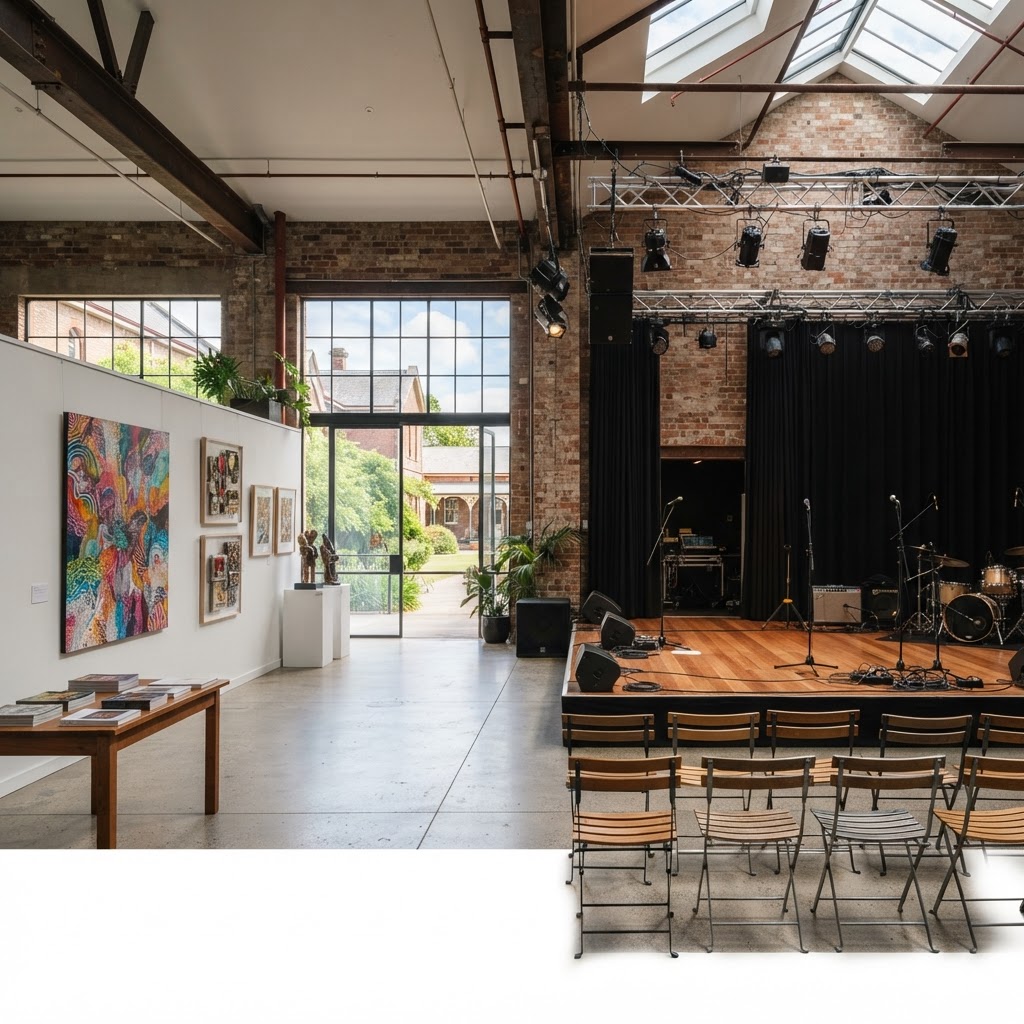
AI-generated illustration

Melbourne's culture scene marked another chapter this week as the Melbourne International Film Festival prepared its 2026 program at Federation Square, building on roots that stretch back to the 1950s when the city first screened international titles in modest CBD halls.

The timing stands out because the festival coincides with renewed state funding for heritage venues after years of post-pandemic recovery, and because younger programmers now blend classic Australian works with VR pieces that reflect the city's shift toward hybrid formats.

From laneway beginnings to Southbank stages

Early growth centred on Fitzroy, where Gertrude Contemporary opened its doors in 1985 and gave emerging painters and video artists their first proper spaces along Gertrude Street. The organisation later moved operations to Preston but kept its name and influence, while the nearby Arts Centre Melbourne on St Kilda Road expanded its theatres in the 1990s to host larger dance and music productions. These two sites illustrate how the scene moved from small artist-run rooms in inner-north suburbs to purpose-built complexes that now anchor Southbank.

Numbers show the scale of change. Attendance at major Melbourne cultural venues reached 5.4 million visits in the 2024-25 financial year, according to state tourism figures, compared with 3.9 million in 2018-19 before the lockdowns.

Next steps for visitors and locals

Residents and visitors can track the ongoing evolution by booking tickets for this year's MIFF screenings at ACMI or by walking the laneways around Flinders Lane where pop-up galleries still operate alongside established bookshops. The Wheeler Centre on Little Lonsdale Street also lists free talks each month that connect current programming to the city's longer record of public debate and performance.

You might also like

Editorial picks

Daily papers across Australia

Explore local coverage from Daily Network mastheads in your country.

How did this story land?

Spread the word

Share

Have your say

Loading comments…

About this articleBeta

Published by The Daily Melbourne

Covering culture in Melbourne. Written by AI from the linked sources and not reviewed by a journalist before publishing. Sources are linked where available. Spotted an error or need a correction? Contact corrections@dailynetwork.news. Our reasonable editorial care.

Beta: AI-assisted and human-overseen. Details may be imperfect, so please verify anything important.

Spread the word

Share

Daily brief

Enjoyed this? Wake up to Melbourne news every morning.

Free, in your inbox before 7am. Weekdays.

By subscribing you agree to receive emails from The Daily Melbourne and accept our Privacy Policy. Unsubscribe anytime.

The Daily Network — local news across Australia