Melbourne's builders eye rate signals as commodities surge and local bourse holds steady
A sharp rise in copper, silver and crude oil is putting fresh pressure on Melbourne's construction pipeline even as the ASX 200 barely moved on Monday.
AI-assisted journalism under human editorial accountability and risk-based review. AI may assist with research, summarising and drafting. Where public source links underpin the article, they are shown below. Sensitive material is held for human review; some lower-risk material may be published automatically after sourcing, accuracy and safety checks. The Daily Melbourne covers Melbourne news. It is provided for general information only and is not professional, legal, financial, or medical advice. Read about our editorial care →
Market figures cited in this article reflect data available as at 22 July 2026 and may not reflect current prices. Markets move continually, so check a live source before making financial decisions. This is general information, not financial advice. How we report →
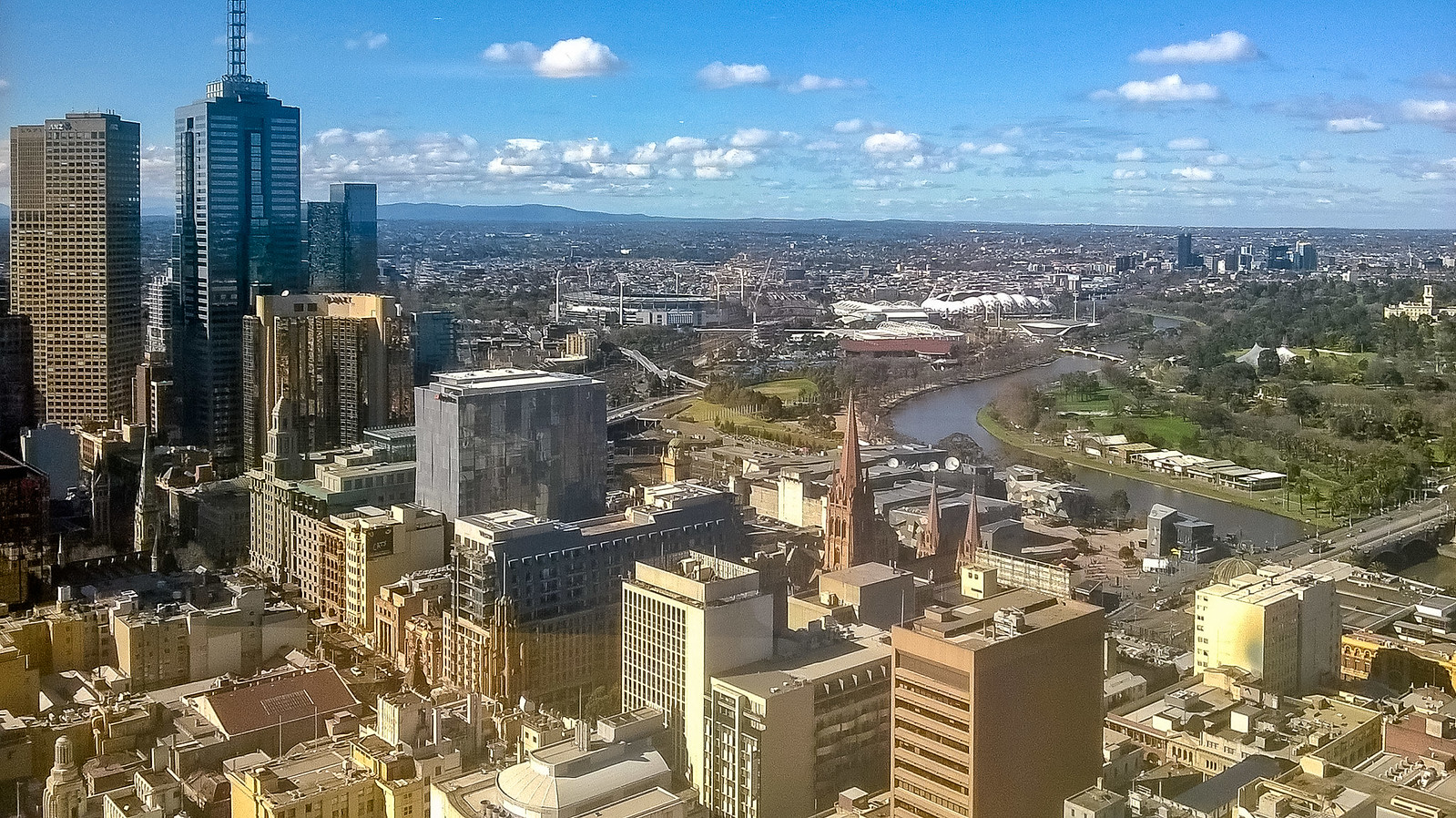
For anyone watching Melbourne's crane-dotted skyline or waiting on a renovation quote, the commodity markets overnight delivered an uncomfortable message: input costs are heading higher. Copper surged 3.65% to US$6.529 a pound, silver jumped 4.08% to US$59.12 an ounce and Brent crude climbed 2.36% to US$91.33 a barrel, while WTI crude added 1.68% to US$84.63. Together those moves ripple directly into the cost of wiring, pipework, roofing sheet and diesel for every construction site from Footscray to Frankston, at a moment when Melbourne's development sector is already navigating elevated borrowing costs and a stretched labour market.
Against that backdrop the local sharemarket offered little drama. The ASX 200 eased 0.04% to 8,793.3 and the broader All Ordinaries slipped 0.02% to 8,976.9, moves so slight they amount to little more than a pause for breath. The subdued local session reflected genuine uncertainty rather than complacency: investors are weighing whether the Reserve Bank's next move comes sooner than previously expected, and commodity-driven inflation in building materials does nothing to simplify that calculation for the board.
Global markets send a more confident signal
Offshore, the mood was considerably more buoyant. Wall Street's technology-heavy Nasdaq rose 1.19% to 25,825.17 and the S&P 500 gained 0.67% to 7,507.91, with the steadier Dow Jones adding a modest 0.16% to 52,230.41. The standout session, however, belonged to Asia. Tokyo's Nikkei 225 surged 3.26% to 66,232.19, a move that will catch the eye of Melbourne-based fund managers with meaningful exposure to Japanese equities through diversified superannuation options. Hong Kong's Hang Seng rose 2.32% to 25,132.29, while the Singapore Straits Times Index added 0.31% to 5,526.72. In Europe, Frankfurt's DAX gained 0.73% to 25,011.35 and Paris's CAC 40 rose 0.28% to 8,363.14, though London's FTSE 100 dipped 0.14% to 10,585.91.
Gold extended its run, climbing 1.94% to US$4,088.3 an ounce, and platinum added 3.02% to US$1,640.3. The precious metals complex is behaving less like a pure safe-haven trade and more like a broad commodities re-rating, which matters locally because Australian producers of gold and platinum-group metals carry meaningful weight inside the ASX 200. Natural gas edged up 1.01% to US$2.889, a figure worth tracking for Melbourne households still absorbing the transition-era volatility in retail energy bills, even if the direct pass-through from wholesale to retail is neither immediate nor uniform.
Crypto markets posted solid if unspectacular gains. Bitcoin rose 1.74% to US$66,366.62 and Ethereum added 1.02% to US$1,923.22. XRP was the standout, climbing 4.32% to US$1.1602, while Dogecoin gained 1.91% to US$0.07352. BNB and Solana were quieter, up 0.36% to US$572.76 and 0.07% to US$77.85 respectively. For Melbourne investors who have allocated a slice of their self-managed super or personal portfolio to digital assets, the session was broadly constructive, though the asset class remains volatile enough that single-session moves carry limited signal on their own.
The local read-through for Melbourne comes back to the intersection of rates, property and materials costs. A commodity complex that is repricing upward simultaneously in energy, base metals and precious metals is the kind of environment that keeps builders' margins thin and keeps apartment feasibility studies on the borderline. For prospective buyers watching auction clearance rates or weighing whether to lock in a fixed-rate mortgage, the global signals this week are a reminder that the factors shaping local affordability extend well beyond Collins Street or Spring Street. The ASX 200 and All Ordinaries figures reflect the aggregate judgement of the market on all of this in real time, and right now that judgement is one of cautious equilibrium rather than confident direction.
This article is general information only and does not constitute personal financial or investment advice. Readers should consider their own circumstances and consult a licensed financial adviser before making any investment decisions.
Sources:
Source material used in preparing this article is listed below so readers can check the original record.
Covering finance in Melbourne. Written by AI from the linked sources and not reviewed by a journalist before publishing. Sources are linked where available. Spotted an error or need a correction? Contact corrections@dailynetwork.news. Our reasonable editorial care.
Beta: AI-assisted and human-overseen. Details may be imperfect, so please verify anything important.
Spread the word
Share
Daily brief
Enjoyed this? Wake up to Melbourne news every morning.