AI-assisted journalism under human editorial accountability and risk-based review. AI may assist with research, summarising and drafting. Where public source links underpin the article, they are shown below. Sensitive material is held for human review; some lower-risk material may be published automatically after sourcing, accuracy and safety checks. The Daily Melbourne covers Melbourne news. It is provided for general information only and is not professional, legal, financial, or medical advice. Read about our editorial care →
Melbourne’s rental vacancy rate remains pinned at a stubborn 1.1 percent as of July 2026, forcing new arrivals to navigate one of the most punishing housing markets in the country’s history. For the thousands of professionals relocating from overseas or interstate this month, the dream of an easy inner-city transition is increasingly colliding with the reality of an average weekly rent hovering at $610 for units in the CBD and inner-fringe suburbs like Carlton and Fitzroy.
The Rental Gauntlet
Securing a lease is no longer a matter of simply showing up at a Saturday morning inspection. Property managers at agencies like Nelson Alexander and Jellis Craig are routinely processing upwards of 50 applications for a single-bedroom apartment. Newcomers should expect to provide a full ‘rental resume’-including verified salary slips, current employment contracts, and three personal references-at the time of application. Without a local rental history, many landlords are demanding three to six months of rent paid in advance, a barrier that has sidelined international students and junior contractors alike.
For those finding their feet, the 'Melbourne Welcome' is often found in the share-house economy. Platforms like Flatmates.com.au are seeing a spike in listings for rooms in share-houses within the inner-north. Commuters often look to suburbs along the Upfield or Hurstbridge train lines to find better value, though even those areas are seeing year-on-year price hikes of nearly 7 percent. Budgeting for a relocation requires a buffer; experts now suggest having at least $8,000 in liquid assets to cover the bond, initial rent, and the setup costs for essential utilities before landing.
Beyond the Bond
Financial hurdles aside, social integration is where newcomers often stall. The city’s professional ecosystem functions heavily on face-to-face networking rather than cold digital applications. New arrivals are increasingly congregating at co-working spaces like The Commons in South Melbourne or Queen & Collins in the city center to tap into established industry circles. These hubs offer more than just high-speed internet; they serve as the primary conduit for the unlisted job market.
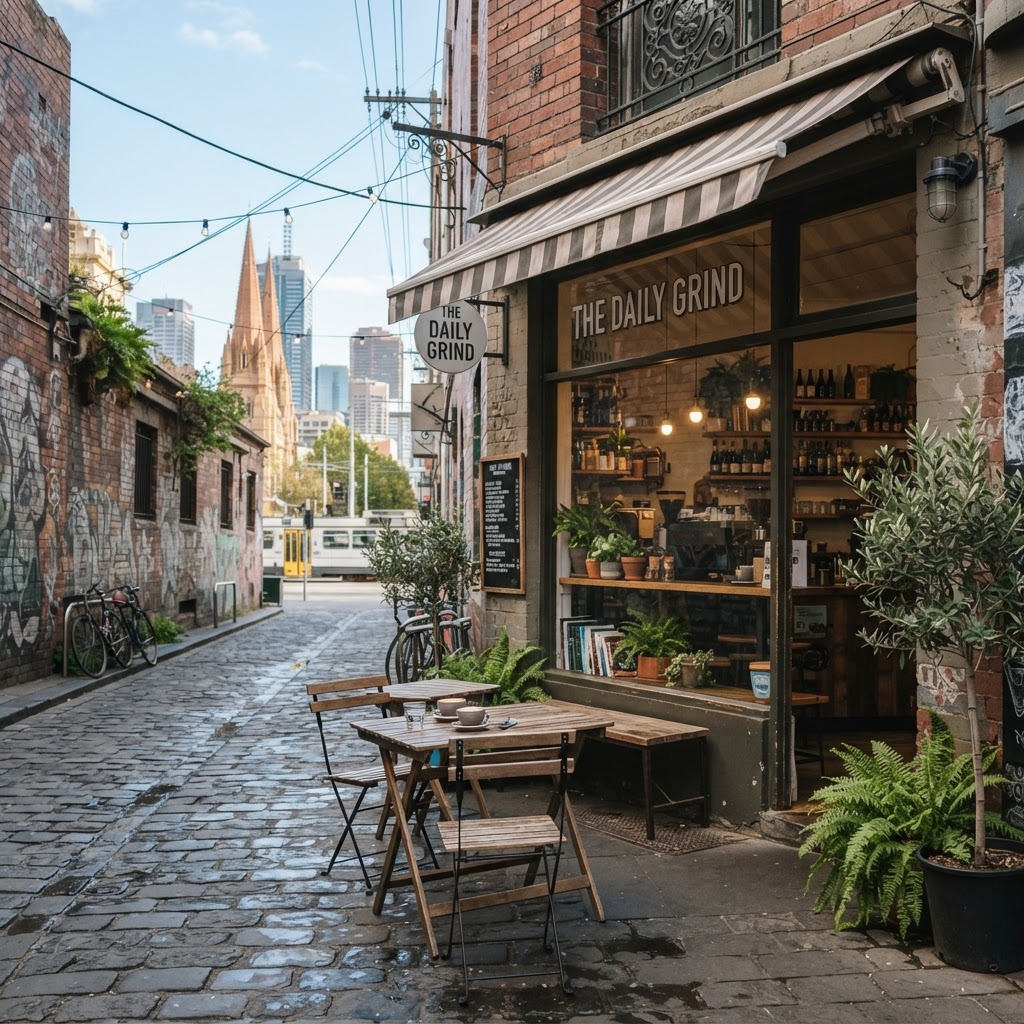
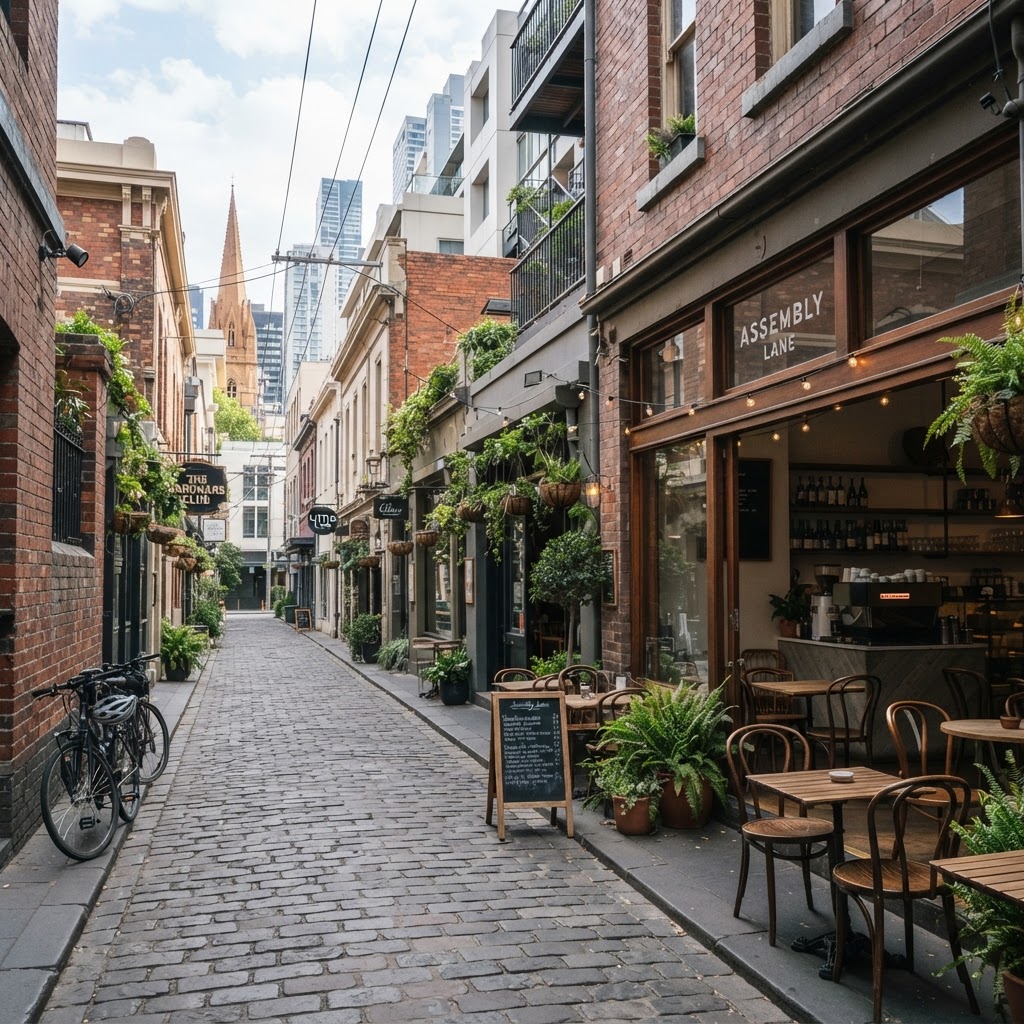
Food costs have also shifted, with the latest Consumer Price Index data highlighting a jump in fresh produce prices. Shoppers at the Queen Victoria Market are now paying premium prices for winter staples like brussels sprouts, which hit an average of $9.50 per kilogram earlier this week. While the city remains a culinary powerhouse, the 'cost of living' tax is being felt in the cafe sector, where a standard morning flat white in a CBD laneway like Degraves Street now consistently retails for $5.50 or more.
Before signing a long-term lease, newcomers should prioritize proximity to the tram network, which remains the city’s lifeblood. The Public Transport Victoria (PTV) Myki card is currently transitioning to a fully integrated mobile-based payment system, eliminating the need for physical plastic cards. If you are planning a move for the spring quarter, lock in short-term accommodation for at least four weeks to allow yourself the grace to attend inspections during business hours-a necessity in a market where properties can be listed and leased within 48 hours.
Covering lifestyle in Melbourne. Written by AI from the linked sources and not reviewed by a journalist before publishing. Sources are linked where available. Spotted an error or need a correction? Contact corrections@dailynetwork.news. Our reasonable editorial care.
Beta: AI-assisted and human-overseen. Details may be imperfect, so please verify anything important.
Spread the word
Share
Daily brief
Enjoyed this? Wake up to Melbourne news every morning.