Community
New Residents Move to Melbourne: 2026 Insider Guide Unlocks City Secrets
The cultural capital has a lot to offer newcomers, here is how to make the most of it.
2 min read
Updated Mon, 3 Aug
Community
The cultural capital has a lot to offer newcomers, here is how to make the most of it.
2 min read
Updated Mon, 3 Aug
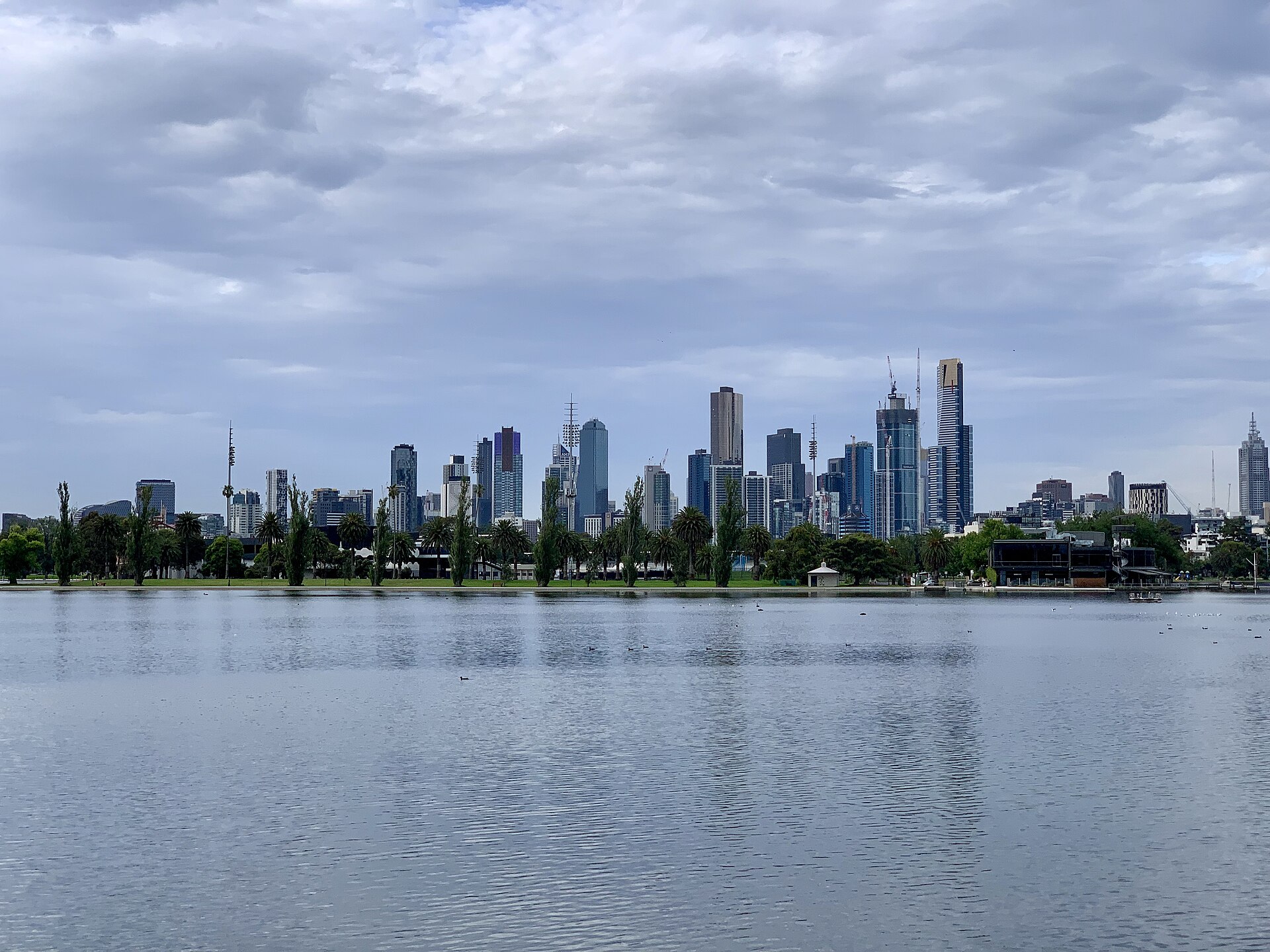
Melbourne is the city Australians from elsewhere move to for ambition, culture and coffee. It is the second-largest city in the country and growing faster than any other. For newcomers, the city rewards those who engage with its neighbourhoods.
Melbourne's suburbs have strong identities. Fitzroy, Collingwood and Brunswick are the inner north's creative precincts. Richmond and South Yarra anchor the inner south-east. Footscray and Seddon lead the western gentrification wave. The Mornington Peninsula draws lifestyle seekers willing to commute. Outer east suburbs like Box Hill and Doncaster have large Asian-Australian communities and excellent food.
Melbourne is expensive but generally more affordable than Sydney. Median house prices in inner suburbs are high, but the outer and western suburbs offer significantly better value. The tram network means many inner-city residents can live without a car.
Melbourne's tram network is the largest in the Southern Hemisphere and covers the inner city comprehensively. Trains extend to the suburbs and regional centres. Buses fill the gaps. The Myki card covers all public transport. Traffic congestion on the ring roads and freeway corridors is significant during peaks.
Melbourne has more restaurants per capita than New York, and Melburnians will tell you so. The CBD laneway culture, the arts scene, the AFL, the Melbourne Cup, the food markets and the live music venues are all part of what makes Melbourne, Melbourne. The weather is variable, four seasons in a day is a cliche that happens to be true.

Community

Community

Community

Community

Community
Community
About this articleBeta
Published by The Daily Melbourne
Spread the word
Daily brief
Free, in your inbox before 7am. Weekdays.
The Daily Network — local news across Australia