AI-assisted journalism under human editorial accountability and risk-based review. AI may assist with research, summarising and drafting. Where public source links underpin the article, they are shown below. Sensitive material is held for human review; some lower-risk material may be published automatically after sourcing, accuracy and safety checks. The Daily Melbourne covers Melbourne news. It is provided for general information only and is not professional, legal, financial, or medical advice. Read about our editorial care →
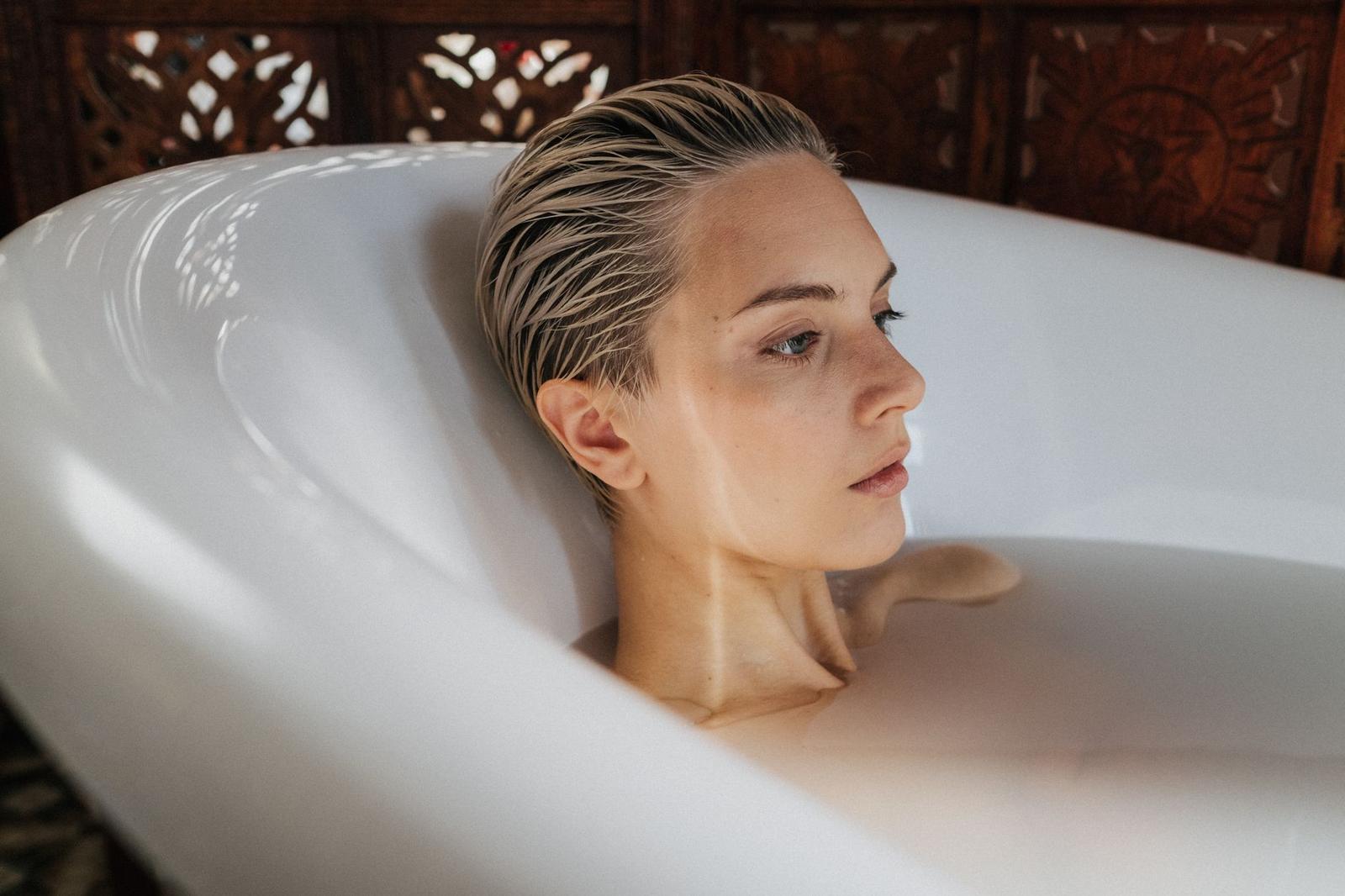
Peninsula Hot Springs recorded its highest-ever single-month visitor numbers in June 2026, with more than 28,000 people passing through its Fingal Road gates in Rye, many of them Melburnians explicitly seeking relief from chronic pain, burnout, and the particular exhaustion that comes from living through a cost-of-living squeeze while trying to hold a wellness routine together.
The timing matters. July is when Melbourne's cold really bites, when the Yarra River running trails empty out by 7am and even the hardened Tan Track crowd starts cutting laps short. Geothermal bathing, sitting in mineral-rich water heated naturally from underground aquifers, has moved from occasional treat to structured health practice for a growing cohort of Melburnians who say the results show up in their sleep quality, joint pain, and stress levels. Doctors and allied health professionals across the city are taking note, though they're careful to position it as a complement to clinical care, not a replacement.
The springs complex, run by Springs Health Group, spans more than 50 bathing pools across a 22-hectare site on the Mornington Peninsula. Day passes start at $55 off-peak and run to $110 for weekend peak entry, with a 12-week membership program, the Wellness Series, introduced in February 2026 at $420 for unlimited weekday access. That program sold out its first intake inside four days.
From Collingwood to the Mornington Peninsula
The community stories clustering around Peninsula Hot Springs tend to share a structure: someone hits a wall, a flare-up of an old sports injury, a sleep disorder, a period of anxiety that outpaced their usual coping tools, and a friend or GP suggests adding heat therapy to the mix. Pilates studios along Smith Street in Collingwood and Johnston Street in Fitzroy have noticed clients cross-referencing their class schedules with Peninsula visits, treating the two as a paired recovery system. Several studios, including those running reformer and clinical pilates programs in the inner north, have begun formally recommending the springs to clients managing lower back complaints or hip impingement.
The Mornington Peninsula itself has long functioned as Melbourne's pressure valve. But what's shifted is the deliberateness. People aren't just stumbling down on a Sunday for something to do, they're booking the Wellness Series, tracking their sleep with apps, and reporting the data back to their physiotherapists on Bridge Road in Richmond or their GPs in Brunswick. The springs have responded by expanding their allied health partnerships, adding an on-site stretch and mobility program in May 2026 developed with input from sports medicine practitioners.
What the Evidence Actually Says
Balneotherapy, the clinical term for therapeutic bathing, has a genuine research base, even if it gets drowned out by wellness-industry noise. A 2024 systematic review published in the International Journal of Environmental Research and Public Health found consistent evidence for reduced musculoskeletal pain and improved sleep latency in regular hot spring users across studies covering populations in Japan, Italy, and Hungary. The water temperature range at Peninsula Hot Springs, most pools sit between 35°C and 42°C, aligns with the parameters used in the majority of those studies.
Magnesium absorption through skin contact with mineral water remains contested among researchers, and anyone managing a cardiovascular condition, pregnancy, or skin disorder should speak with their GP or specialist before booking. Peninsula Hot Springs publishes a contraindications list on its website and posts it at the entry gate, worth reading before you arrive, not after.
For Melburnians considering making this part of a regular health routine, the practical advice is straightforward: book the Wellness Series if weekday flexibility exists, since weekends between June and August regularly sell out 10 days in advance. Pair the visit with the drive down the Nepean Highway to Rosebud or cut through Frankston for a longer coastal reset. And talk to a local health professional first, a physio, GP, or exercise physiologist, about whether heat therapy fits your specific picture. The springs work best as one thread in a wider routine, not the whole fabric.
Sources:
Source material used in preparing this article is listed below so readers can check the original record.
Covering wellness in Melbourne. Written by AI from the linked sources and not reviewed by a journalist before publishing. Sources are linked where available. Spotted an error or need a correction? Contact corrections@dailynetwork.news. Our reasonable editorial care.
Beta: AI-assisted and human-overseen. Details may be imperfect, so please verify anything important.
Spread the word
Share
Daily brief
Enjoyed this? Wake up to Melbourne news every morning.