Melbourne renewable energy zones: Victoria's plan to lower bills by 2030
Victoria's renewable energy zones aim to reduce Melbourne household electricity costs by 2030. New legislation requires energy retailers to source more wind and solar power from regional Victoria.
AI-assisted journalism under human editorial accountability and risk-based review. AI may assist with research, summarising and drafting. Where public source links underpin the article, they are shown below. Sensitive material is held for human review; some lower-risk material may be published automatically after sourcing, accuracy and safety checks. The Daily Melbourne covers Melbourne news. It is provided for general information only and is not professional, legal, financial, or medical advice. Read about our editorial care →
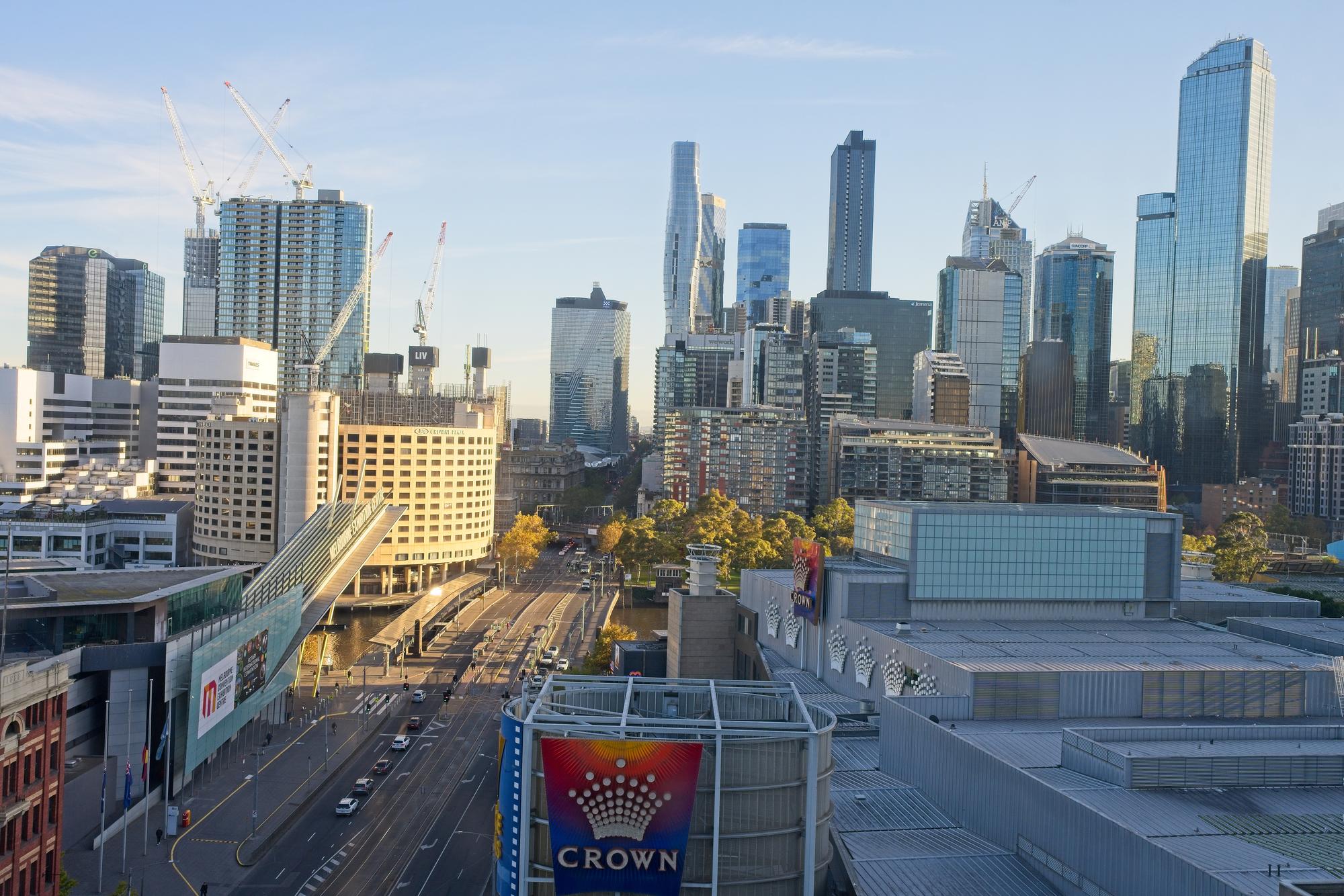
Photo via Freepik
Victoria's renewable energy framework, reinforced through recent state legislation, commits the government to source increasing proportions of the state's electricity from wind and solar by 2030. For Melbourne residents, the policy's success hinges on a straightforward premise: more renewable energy generation, driven by competition and scale, is expected to help moderate household electricity bills while the state transitions away from coal-fired power.
The policy establishes renewable energy zones across regional Victoria where large-scale wind and solar farms are planned. The legislation requires energy retailers to meet prescribed renewable energy targets, creating demand for new generation capacity. Policy analysts have noted that increased renewable supply in a competitive market typically exerts downward pressure on wholesale electricity costs, though household bills reflect multiple factors including network charges and retailer margins. The government says the framework is expected to avoid the need for additional gas-fired generation, which would otherwise increase long-term energy costs. For Melbourne households currently facing elevated electricity bills, the renewable transition represents a potential cost-moderating mechanism, though outcomes depend on timely investment in transmission lines connecting regional generation to metropolitan demand.
Beyond bills, the policy carries employment and investment implications for the Melbourne region. Renewable energy manufacturing, installation and maintenance roles are expected to grow as new projects advance. Local workers in construction, electrical trades and engineering sectors stand to benefit from employment opportunities, both in regional projects and in supporting infrastructure across greater Melbourne. Industry bodies have identified the sector as a pathway for jobs growth, particularly as traditional energy sector employment shifts.
A critical variable for Melbourne residents is transmission infrastructure. New wind and solar farms in regional Victoria require upgraded power lines to deliver electricity efficiently to the city. The West Australian experience has demonstrated that without adequate network investment, renewable projects can face delays or curtailment, reducing their cost benefit. Victorian authorities have signalled investment in transmission as part of the broader framework, but project timelines and funding remain subject to ongoing planning and budget cycles.
The renewable energy zones policy also intersects with Victoria's broader climate commitments and air quality outcomes. Reduced reliance on coal-fired generation is expected to contribute to lower greenhouse gas emissions from the electricity sector. For Melbourne residents, particularly in inner and western suburbs, reduced air pollution from power generation supports longstanding public health objectives, though local air quality is influenced by multiple factors including transport emissions and industrial activity.
Covering politics in Melbourne. Written by AI from the linked sources and not reviewed by a journalist before publishing. Sources are linked where available. Spotted an error or need a correction? Contact corrections@dailynetwork.news. Our reasonable editorial care.
Beta: AI-assisted and human-overseen. Details may be imperfect, so please verify anything important.
Spread the word
Share
Daily brief
Enjoyed this? Wake up to Melbourne news every morning.