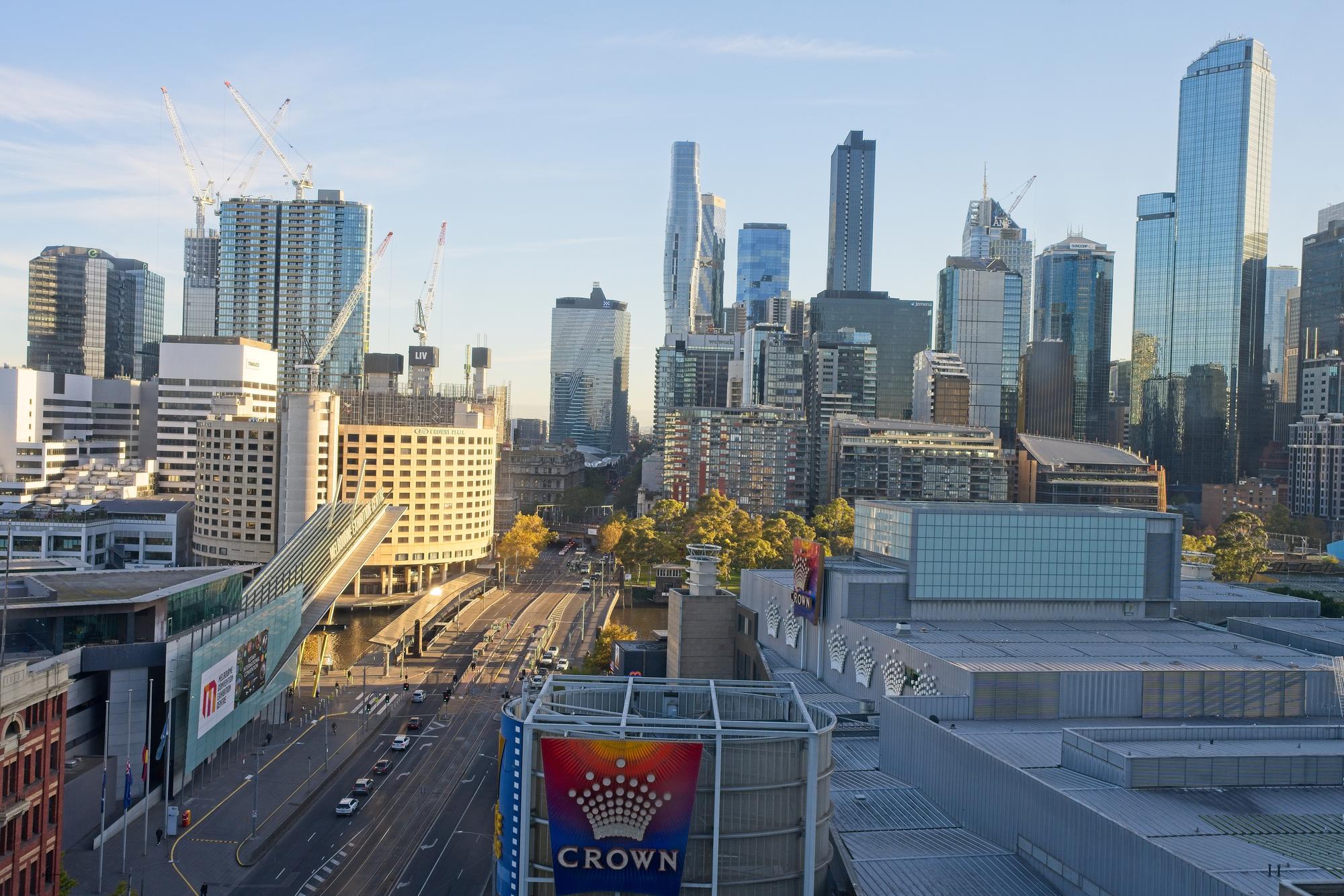
Victoria's Parliament is moving toward passage of planning legislation that would loosen restrictions on residential density across inner Melbourne, potentially allowing developers to build four-storey apartment blocks in many suburbs without full council approval. The bill, currently in committee stage, affects residents in suburbs from Coburg to Caulfield as it winds through Parliament House this winter.
The state government argues the changes address Victoria's housing shortage, which planning department figures show has driven median house prices in metropolitan Melbourne to $730,000 as of June 2026. Urban planners estimate the legislation could unlock 50,000 new dwelling approvals across the state over five years, though local government associations say the actual construction rate depends on market demand and developer interest in individual areas.
What Local Residents Face Under the New Rules
Under the proposed framework, property owners in zones classified as "mixed-use" or "general residential" across inner suburbs could submit applications for buildings up to four storeys without triggering mandatory neighbourhood consultation periods. Brunswick residents like those on Lygon Street, Carlton North homeowners near the proposed Carlton Precinct densification, and Coburg East families facing potential apartment development alongside the CFMEU-stronghold construction sector would see processing times compress from 12-18 months to 4-6 months under the government's projections.
Local heritage groups have raised concerns about protection mechanisms. The Victorian National Trust and local historical societies say the legislation contains ambiguous language around heritage overlays in suburbs such as Fitzroy, where Victorian-era terraces sit adjacent to proposed infill sites. The Heritage Council of Victoria has not issued a formal position, but heritage advocates note that local character provisions remain optional rather than mandatory for councils.
Transport advocates point to potential pressure on services. The Public Transport Users Association estimates that if 50,000 new dwellings are built as projected, inner-zone suburbs could see passenger demand on tram and bus lines increase by 15-20 percent. Melbourne's Metro Tunnel, opening in 2027, is expected to handle 80,000 extra journeys daily, but density changes could concentrate demand in areas where train capacity remains fixed until further upgrades scheduled for 2030-32.
Infrastructure and Council Concerns
Councils across the inner suburbs are flagging water, sewerage and electricity pressures. Melbourne Water, which manages drainage for suburbs including Northcote, Thornbury and Reservoir, told state government committees that local stormwater systems in these areas operate at 85-90 percent capacity during heavy rainfall. The authority did not commit to upgrade timelines. Local government representatives note that the bill shifts costs toward councils rather than developers, as infrastructure contributions are expected to remain capped at current rates.
The legislation is expected to pass Parliament by early August. Once enacted, it would take effect from September 2026, affecting planning applications lodged from that date onward. Councils have until October to update local planning schemes, creating a compressed implementation window.
Community responses remain divided. Renters' advocacy groups such as Tenants Victoria say density could ease housing pressure and lower rents in suburbs where shortage-driven costs have risen 12-15 percent annually. Neighbourhood associations in Balwyn North and Canterbury, however, have submitted opposition statements citing parking strain and school capacity concerns, though education department modelling suggests current inner-suburban schools have sufficient enrolment headroom through 2030.
Residents seeking clarity on how the rules apply to their street can access the bill text via Parliament House's website, and councils will publish mapping of affected zones once they update their schemes. Planning lawyers advise property owners to understand their zone classification now, as applications lodged after September 1 will fall under the new assessment framework.