Melbourne Transforms Transport: New Infrastructure Policies Reshape Daily Commutes
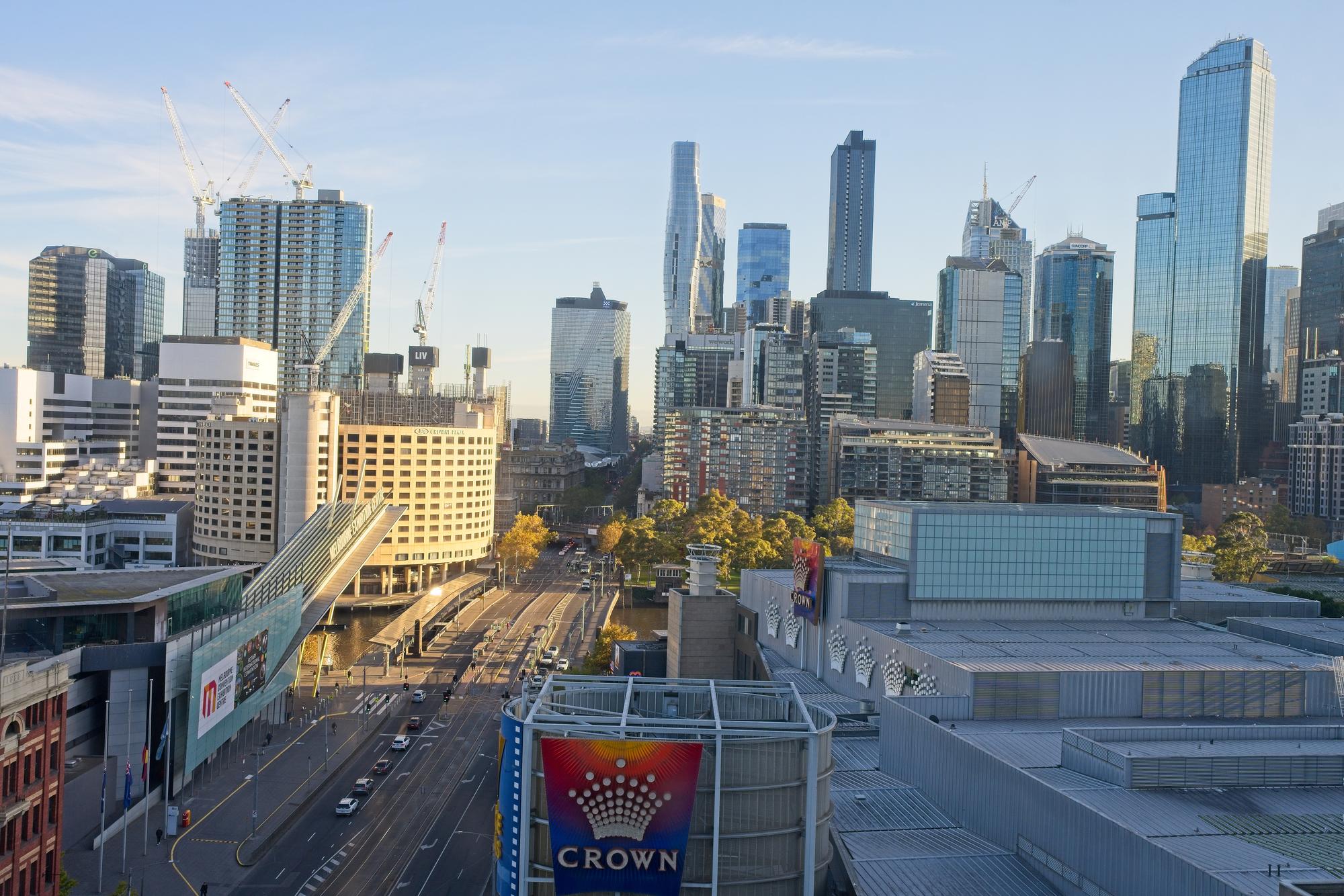
Upcoming changes to Victoria’s transport and infrastructure policies are set to shape daily commutes, public service access and neighbourhood life for Melbourne residents.
AI-assisted journalism under human editorial accountability and risk-based review. AI may assist with research, summarising and drafting. Where public source links underpin the article, they are shown below. Sensitive material is held for human review; some lower-risk material may be published automatically after sourcing, accuracy and safety checks. The Daily Melbourne covers Melbourne news. It is provided for general information only and is not professional, legal, financial, or medical advice. Read about our editorial care →
The Victorian Government’s ongoing infrastructure rollout, including major projects such as the Metro Tunnel and West Gate Tunnel, is entering a new phase, with policy updates focused on both transit efficiency and community service integration. These changes are designed to address the needs of public transport users, commuters in outer suburbs, and service providers who rely on dependable transit links. The latest government announcements highlight efforts to improve station accessibility, upgrade bus interchanges and coordinate more frequent services across metropolitan Melbourne. This has particular implications for families, elderly residents and people with disability who depend on reliable options to reach healthcare, education and social support.
Why Transport Infrastructure Policy Matters Now
Melbourne’s rapid population growth and changing work patterns have intensified demand for public transport, while pressure on housing and services has pushed more residents into new suburbs with limited access to established transport networks. Policy analysts say bringing transport upgrades and community services together is key to supporting both inclusion and economic opportunity. The government has cited integration as a core principle, meaning housing, health and education facilities are increasingly located close to public transit, and new developments are planned with local bus and rail connectivity in mind. The Productivity Commission has found that public infrastructure projects can improve long-term community well-being when design matches service needs and ongoing support.
What This Means for Melbourne Residents
For many Melburnians, these policy changes translate to reduced travel time to essential services, increased options for those without cars and safer, more modern facilities around stations and interchanges. Community advocates note that boosted bus routes may make after-school activities more accessible for children in growth corridors, while upgrades to sidewalks and bus stops improve safety for older residents. Service providers such as local health clinics and Neighbourhood Houses say predictable transit helps staff reach clients and widens the pool of potential volunteers. For some, construction delays or route changes during project delivery periods mean interim disruptions, but the government says longer-term benefits include improved accessibility and links between key services.
Recent Victorian budget papers allocate further funding for station upgrades and a planned expansion of all-night public transport on weekends. The state’s investment in the Metro Tunnel has been presented as supporting increased capacity across the broader train network, aiming to enable higher frequencies and more direct journeys to major hospitals and education precincts. The budget papers also outline plans for new community bus trials targeting areas where fixed-line rail is not viable, with the aim of closing existing service gaps.
With completion of the Metro Tunnel now projected in coming years and bus re-timetabling underway in local government areas across the north-west and south-east, the rollout of infrastructure reforms is set to accelerate. The Victorian Government has stated that new service timetables, accessible stations and more multimodal interchanges will come online in staged releases. Residents and local councils are expected to be consulted about continued improvements, particularly around school zones and public housing precincts. As these upgrades reach full operational capacity, policy analysts expect closer alignment between transport assets and the needs of Melbourne’s diverse communities.
Sources:
Source material used in preparing this article is listed below so readers can check the original record.
Covering politics in Melbourne. Written by AI from the linked sources and not reviewed by a journalist before publishing. Sources are linked where available. Spotted an error or need a correction? Contact corrections@dailynetwork.news. Our reasonable editorial care.
Beta: AI-assisted and human-overseen. Details may be imperfect, so please verify anything important.
Spread the word
Share
Daily brief
Enjoyed this? Wake up to Melbourne news every morning.